15 Smart Kitchen Remodel Ideas to Create a More Beautiful and Functional Space
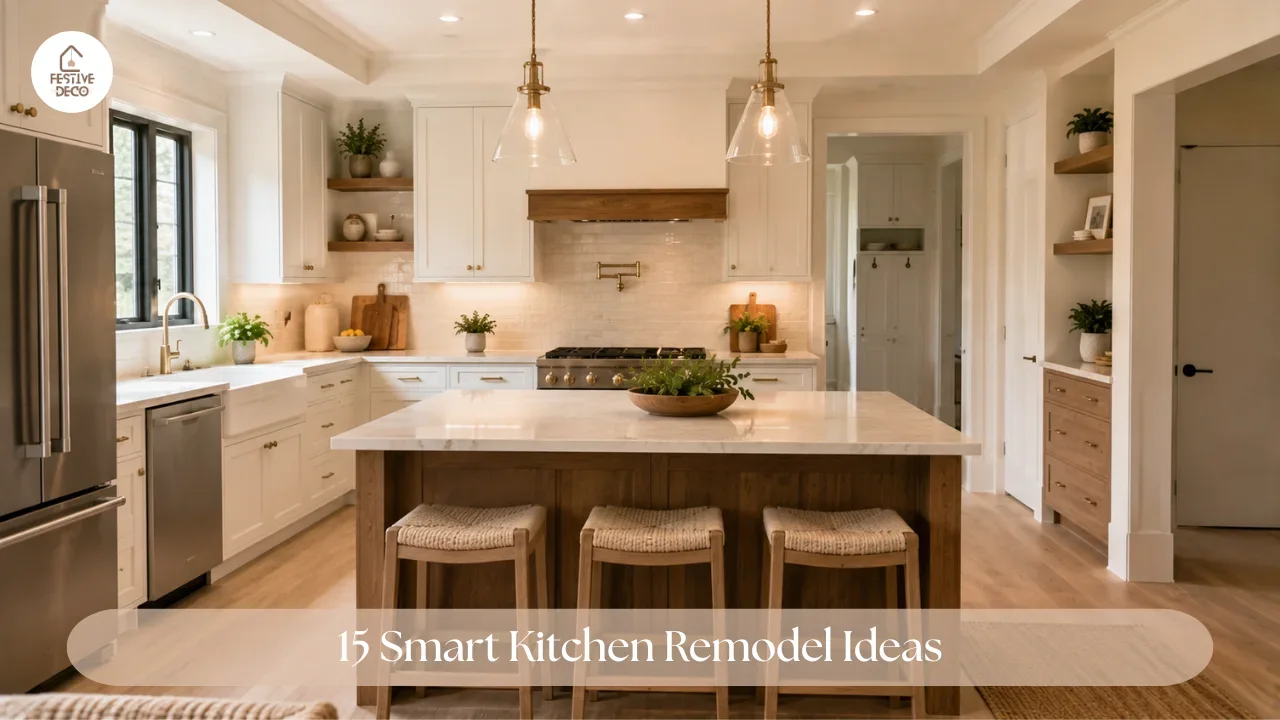
A kitchen can change the entire feeling of a home. It is where quick breakfasts happen, conversations stretch longer than expected, and someone always seems to be looking for a snack. That is why choosing the right kitchen remodel ideas is about more than making the room look modern. A good remodel should make the space easier to use, comfortable to move around in, and pleasant to spend time in. You do not necessarily need to change everything either. Sometimes a better layout, updated cabinets, improved lighting, or a few thoughtful details can make the kitchen feel completely different.
Before starting a remodel, it helps to look at how the kitchen actually works every day. Notice where things pile up, which cabinets are difficult to reach, whether the lighting feels too dark, and whether the counters give you enough working space. These little observations can be more useful than simply copying a beautiful kitchen from a magazine. The best kitchen often combines practical choices with a style that feels natural to the people using it.
15 Kitchen Remodel Ideas for a Fresh and Functional Home
A kitchen remodel does not have to follow one particular design style. Some homeowners prefer warm traditional spaces, while others like clean modern kitchens with simple finishes. You can also mix the two. The important thing is to choose improvements that make sense for the size and layout of your room.
Here are some ideas worth considering before you start making changes.
1. Rethink the Kitchen Layout
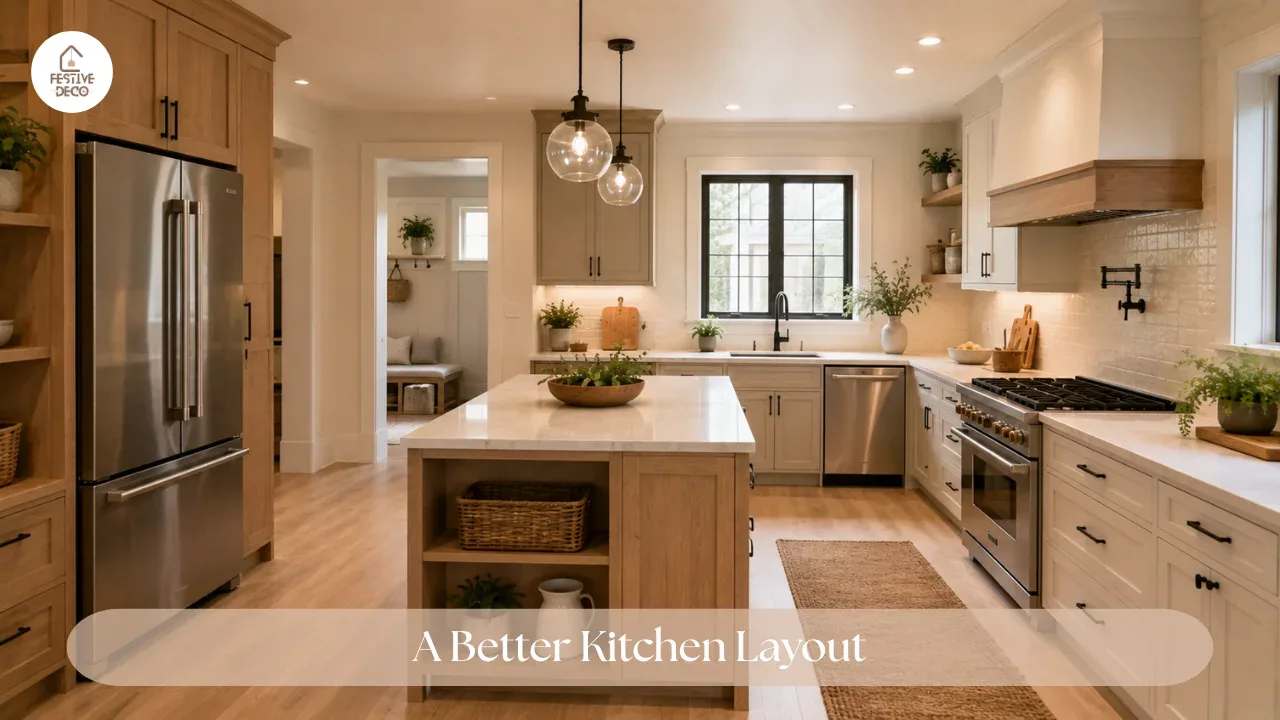
A beautiful kitchen can still be frustrating if the layout makes everyday tasks awkward. One of the most useful kitchen remodeling ideas is to first think about how you move between the refrigerator, sink, cooking area, and storage.
If two people regularly use the kitchen at the same time, leaving comfortable walking space becomes even more important. A layout that keeps frequently used areas reasonably close together can make cooking and cleaning feel much easier.
You may not need to completely change the footprint. Sometimes rearranging storage or adjusting the position of a work area can improve the room without making it unnecessarily complicated.
2. Give Your Kitchen Cabinets a Fresh Look
Cabinets occupy a large part of most kitchens, so changing their appearance can have a surprisingly strong effect. If the existing cabinets are still in good condition, you can consider updating their finish rather than replacing everything.
Light-colored cabinets can make a kitchen feel brighter, while deeper wood tones can create a warmer atmosphere. Simple hardware can also change the character of the room without making the design feel overly busy.
Some cabinet changes to consider include:
- Choosing a lighter finish for a brighter appearance
- Mixing upper and lower cabinet colors
- Replacing outdated handles and pulls
- Adding open shelving in a small section
- Keeping frequently used items within easy reach
The key is consistency. Too many different finishes can make the kitchen feel visually scattered.
3. Create More Useful Counter Space
Counter space disappears quickly in a busy kitchen. Small appliances, containers, cutting boards, and everyday items can gradually take over the surfaces.
When planning a remodel, think about where you actually prepare food rather than simply trying to maximize the amount of countertop. A clear section beside the cooking area can be more useful than a larger counter in an awkward location.
If your kitchen is compact, even small adjustments can help. Keeping rarely used appliances stored away and giving everyday items designated places can make the available workspace feel much larger.
4. Add a Kitchen Island If the Layout Allows It
A kitchen island can become a natural center point for the room. It can provide additional preparation space, casual seating, or storage while also giving the kitchen a more finished appearance.
However, an island is not automatically a good choice for every kitchen. The surrounding walking space matters. A very large island in a small room can make movement uncomfortable.
For smaller spaces, consider a compact island or a narrow worktable-style surface instead of trying to fit a large centerpiece.
5. Try a Simple Kitchen Backsplash
A backsplash is one of those details that can add personality without taking over the entire kitchen. Neutral tiles can create a clean background, while a subtle pattern can bring a little more character to the cooking area.
If the rest of the kitchen already has several visual elements, a simple backsplash may work better than another bold feature.
Popular approaches include:
- Soft neutral tiles
- Classic subway-style layouts
- Small geometric patterns
- Natural stone-inspired finishes
- Simple solid-color surfaces
The best choice is usually one that works comfortably with your cabinets, counters, and flooring rather than competing with them.
6. Improve the Kitchen Lighting
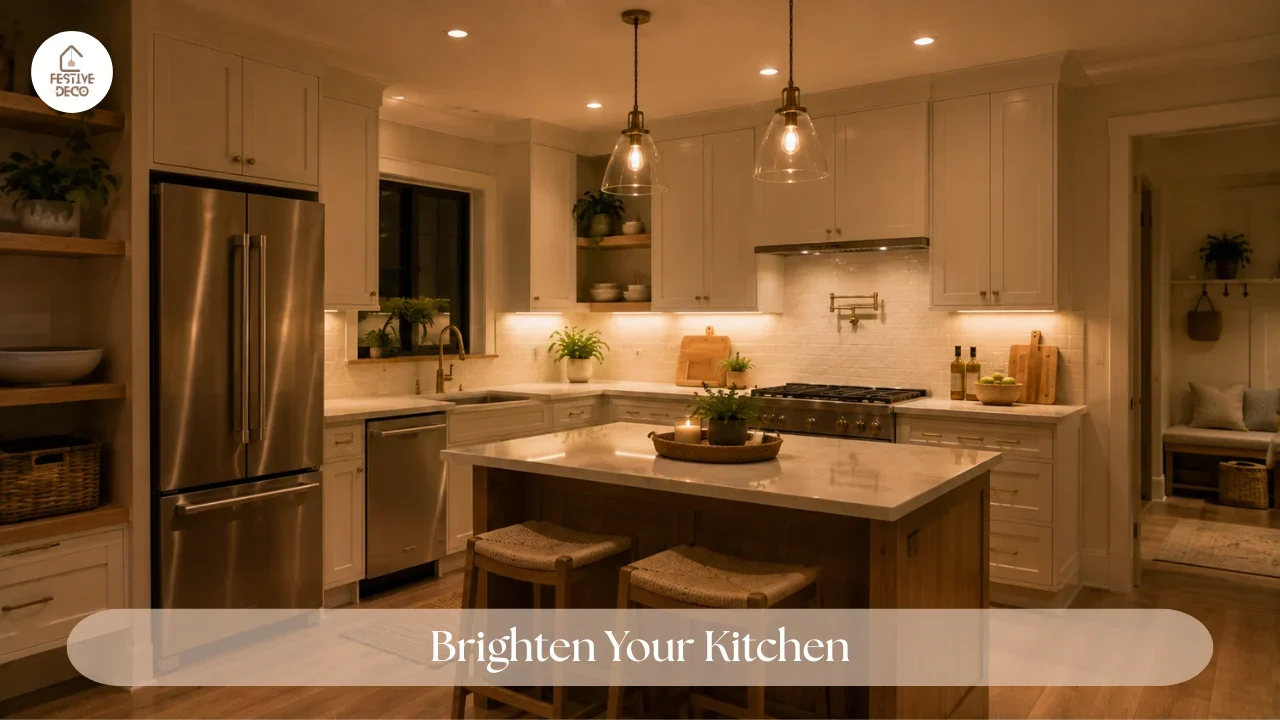
Lighting is easy to overlook during a remodel, but it can completely change how the kitchen feels. A single ceiling fixture may illuminate the room, yet still leave important work surfaces looking dim.
A layered approach works well. General ceiling lighting can provide overall illumination, while under-cabinet lighting can brighten countertop areas. Pendant-style lighting can also add visual interest above an island or dining area.
Think about lighting in terms of different activities. Cooking, cleaning, eating, and relaxing do not necessarily need exactly the same type of light.
7. Make Better Use of Kitchen Storage
Storage is one of the most practical areas to address during a kitchen remodel. Instead of simply adding more cabinets, consider whether the existing storage is organized in a useful way.
Deep drawers can be convenient for cookware, while narrow sections can hold smaller kitchen essentials. Shelves inside cabinets can also help make better use of vertical space.
A few simple storage improvements include:
- Using drawer organizers
- Adding pull-out storage where practical
- Keeping everyday dishes in easily reached cabinets
- Using vertical dividers for larger items
- Creating a dedicated place for pantry staples
Good storage should make it easier to find things, not simply give you more places to hide them.
Little Kitchen Remodel Ideas That Make a Big Difference
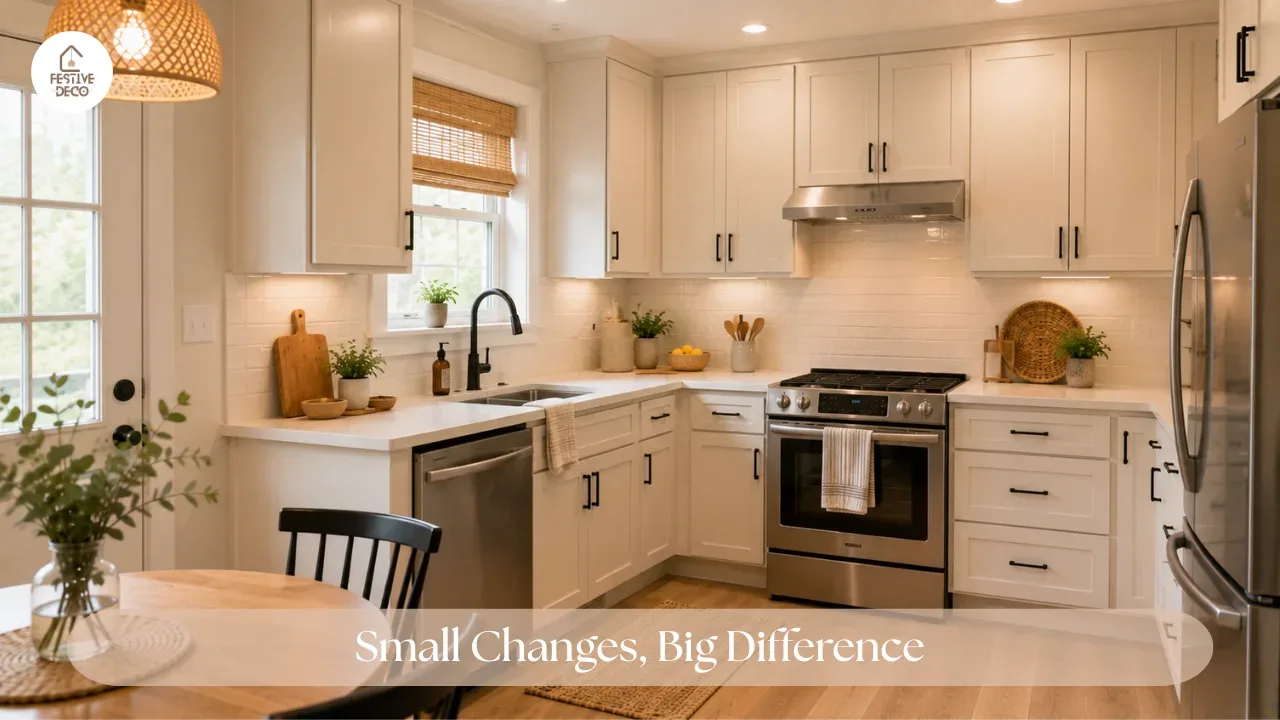
Not every remodel needs to involve construction on a large scale. In fact, some of the most approachable little kitchen remodel ideas focus on details that change the appearance and everyday experience of the room.
Replacing cabinet hardware, updating a light fixture, introducing a new backsplash, or changing a few decorative elements can refresh an older kitchen without completely changing its identity.
You might also consider updating just one visual area. A newly styled coffee corner, a cleaner open shelf, or a more organized pantry can give the room a noticeably different feel.
This is especially useful when the kitchen layout already works reasonably well. There is little value in changing something simply because a trend says you should.
8. Choose a Simple Color Palette
Color can make a kitchen feel larger, warmer, brighter, or more dramatic. You do not need a complicated palette to create an attractive result.
A combination of two or three main tones is often enough. For example, warm white cabinets with natural wood details can create a relaxed atmosphere, while soft gray with black accents can feel more contemporary.
If you are unsure, start with the largest surfaces first. Cabinets, walls, counters, and flooring usually have a greater visual effect than small decorative pieces.
9. Add Natural Wood Details
Wood can soften a kitchen that contains many hard surfaces such as tile, stone, and metal. Even small amounts can add warmth.
Wooden stools, cutting boards, shelves, or cabinet details can introduce natural texture without requiring the entire kitchen to be redesigned.
The trick is to repeat the tone thoughtfully. A few related wood elements usually look more intentional than many completely different finishes.
10. Create a Comfortable Breakfast Corner
If you have an unused corner, consider turning it into a simple breakfast or dining area. A small table and comfortable seating can make the kitchen feel more welcoming.
This can be especially useful in homes where the kitchen doubles as a place for homework, morning coffee, or casual conversations.
Keep the area practical and avoid filling it with unnecessary furniture. The purpose is to make use of otherwise wasted space while keeping the kitchen easy to move through.
11. Make a Small Kitchen Feel More Open
Small kitchens often need careful planning because every surface and piece of furniture has more visual impact.
Light colors, reflective surfaces, open shelving, and uncluttered counters can help the room feel less crowded. Keeping the floor visible also makes a difference, which is one reason compact furniture and appropriately sized storage can work well.
For a smaller kitchen, consider:
- Keeping countertops as clear as possible
- Choosing visually lighter cabinet designs
- Using vertical storage
- Adding mirrors or reflective surfaces thoughtfully
- Maintaining a consistent color palette
These choices will not physically enlarge the room, but they can make it feel more comfortable.
12. Update the Kitchen Flooring
Flooring has a major effect on the overall appearance of a kitchen. If the existing floor is worn or visually clashes with the rest of the room, updating it can make the entire space feel more cohesive.
Neutral flooring tends to be easier to coordinate with different cabinet and wall colors. Patterned flooring can add personality, but it works best when the rest of the kitchen is relatively restrained.
Always think about the relationship between the floor and the larger elements of the room rather than choosing flooring in isolation.
13. Create an Organized Pantry Area
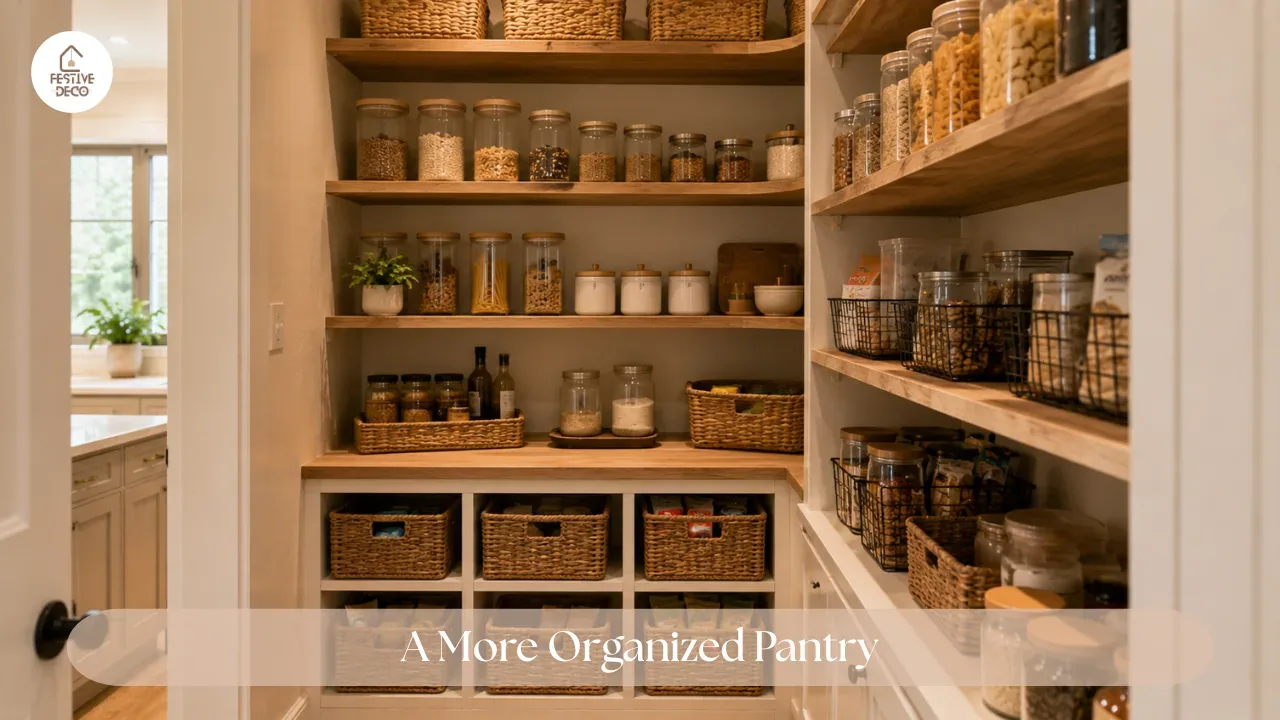
A well-organized pantry can make everyday kitchen life noticeably easier. Grouping similar foods together means you spend less time searching through shelves.
You can organize items by how you use them rather than simply by appearance. Baking ingredients, breakfast foods, snacks, canned goods, and cooking staples can each have their own areas.
Clear containers can be useful for some dry foods, while simple baskets can keep smaller items together. The goal is not to make the pantry look perfect all the time. It is to make finding things easier.
14. Add a Personal Touch
A kitchen should still feel like part of your home rather than a showroom. A framed print, a few plants, favorite cookbooks, or handmade pieces can make the space feel more personal.
Try not to decorate every available surface. Leaving some breathing room allows the details you do choose to stand out.
Personal touches are especially useful when the main kitchen design is simple. A few familiar objects can make a clean space feel warm instead of overly formal.
15. Focus on the Details You Use Every Day
When choosing between different kitchen remodel ideas, it is easy to become distracted by dramatic transformations. But the improvements you notice most may be the small practical ones.
Think about the cabinet you open every morning, the counter where you prepare meals, the drawer that is always difficult to organize, and the light you switch on every evening.
Those everyday details are worth prioritizing because a remodel should improve how the kitchen actually works, not just how it photographs.
Kitchen Remodeling Ideas for Different Styles
There is no single look that defines a successful kitchen remodel. A modern kitchen might use clean cabinetry, simple lighting, and minimal decoration, while a traditional kitchen may feel warmer with detailed cabinets and natural materials.
Some homeowners also prefer transitional spaces that combine modern convenience with classic details.
Whatever style you choose, try to keep the larger elements connected. Cabinets, counters, flooring, lighting, and wall colors should feel like they belong in the same room.
What to Think About Before Remodeling a Kitchen
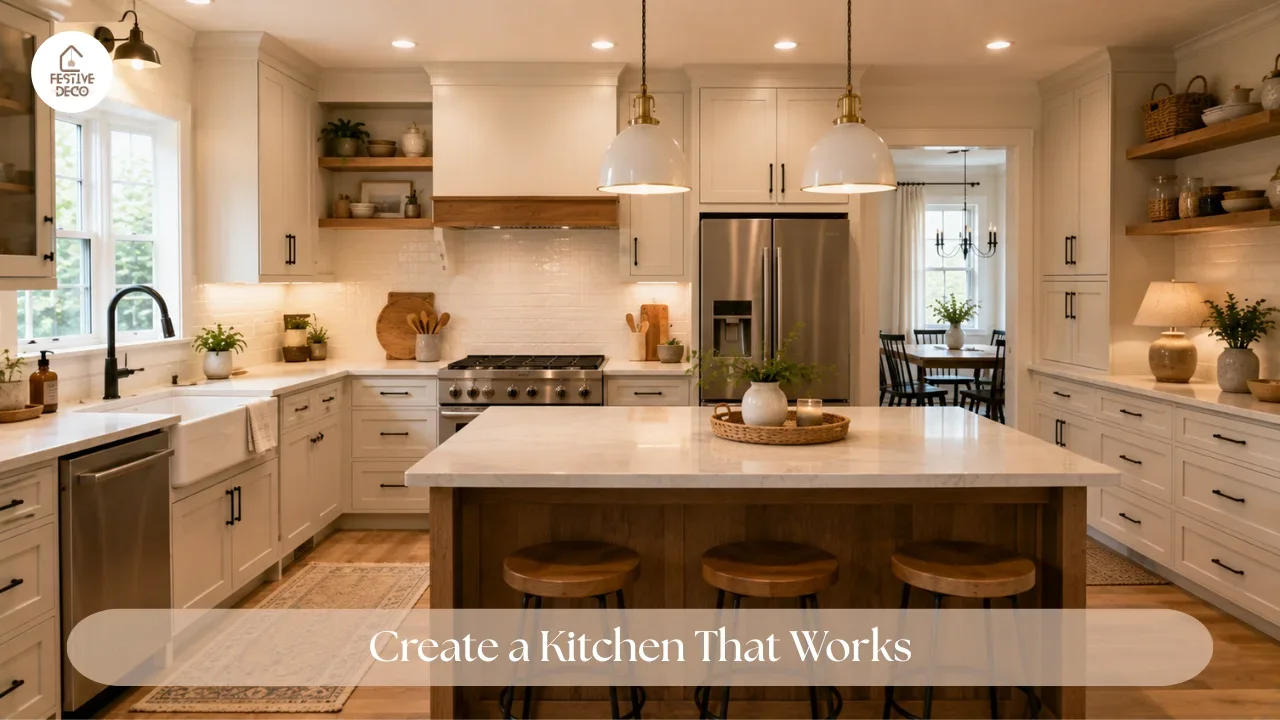
Before committing to major changes, spend some time observing the kitchen as it is now. This can reveal problems that are easy to overlook when you are focused on inspiration photos.
Ask yourself:
- Which part of the kitchen feels inconvenient?
- Where do clutter and unused items collect?
- Is there enough space for more than one person?
- Which storage areas are difficult to use?
- Does the lighting work during both daytime and evening?
- Which features do you genuinely want to keep?
Answering these questions can help you separate useful improvements from changes that simply look appealing online.
Frequently Asked Questions
What is the most useful kitchen remodel idea?
Improving the layout and storage is often one of the most practical choices because these changes affect how you use the kitchen every day.
How can I remodel a kitchen without changing everything?
Focus on visible and practical updates such as cabinet finishes, hardware, lighting, backsplash, storage organization, and countertop styling.
What are good little kitchen remodel ideas?
Updating cabinet hardware, improving lighting, organizing storage, adding a simple backsplash, and creating a small breakfast corner can refresh a kitchen without a complete redesign.
How can I make a small kitchen look bigger?
Keep the color palette light and consistent, reduce countertop clutter, use vertical storage, and choose furniture and fixtures that fit the available space.