Pantry Organization Ideas
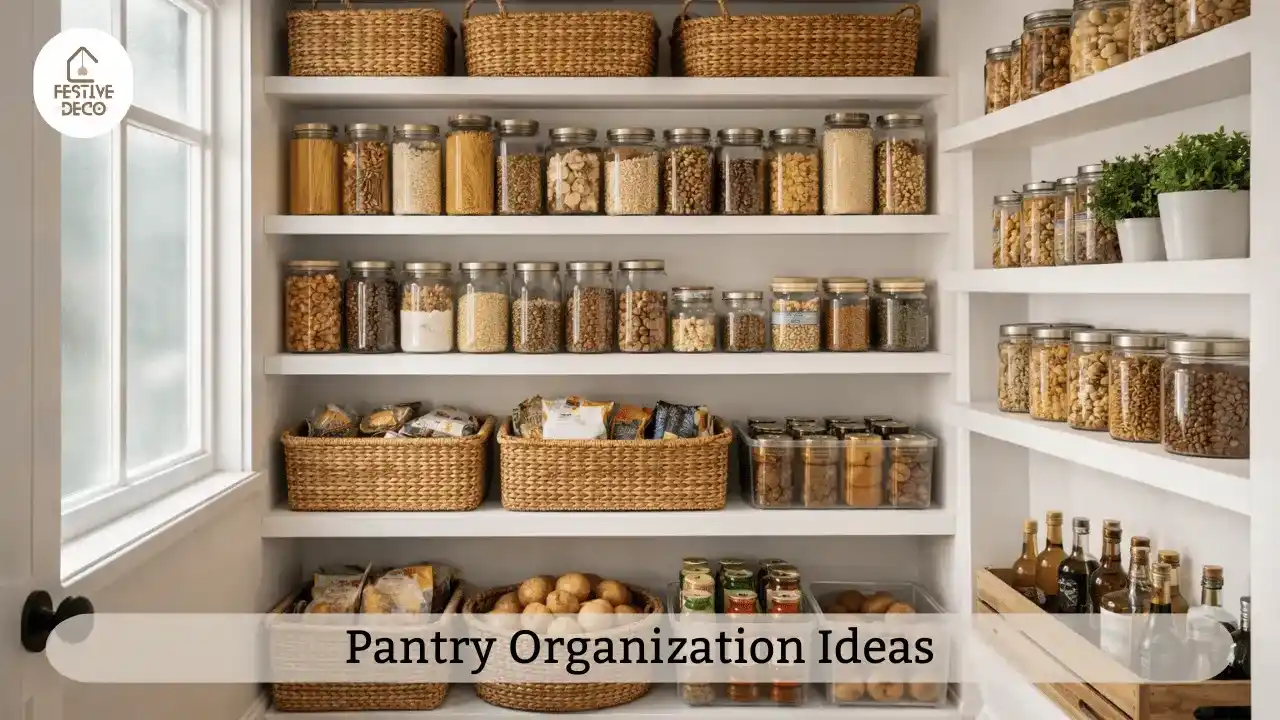
A messy pantry has a quiet way of making the whole kitchen feel chaotic. You open the door to grab something simple, maybe pasta or cereal, and suddenly you’re moving five different things just to find it. That’s usually the moment people start looking for pantry organization ideas that actually make daily cooking easier.
A pantry doesn’t have to be large to work well. Some are just a narrow cabinet beside the fridge. Others are small closets tucked into a corner. Either way, when the space is organized thoughtfully, everything becomes easier to see and reach. Cooking feels smoother. Grocery shopping becomes simpler because you know what you already have.
The goal isn’t perfection. It’s simply creating a pantry where food items stay visible, easy to grab, and reasonably tidy without constant effort.
Pantry Organization Ideas That Make Everyday Cooking Easier
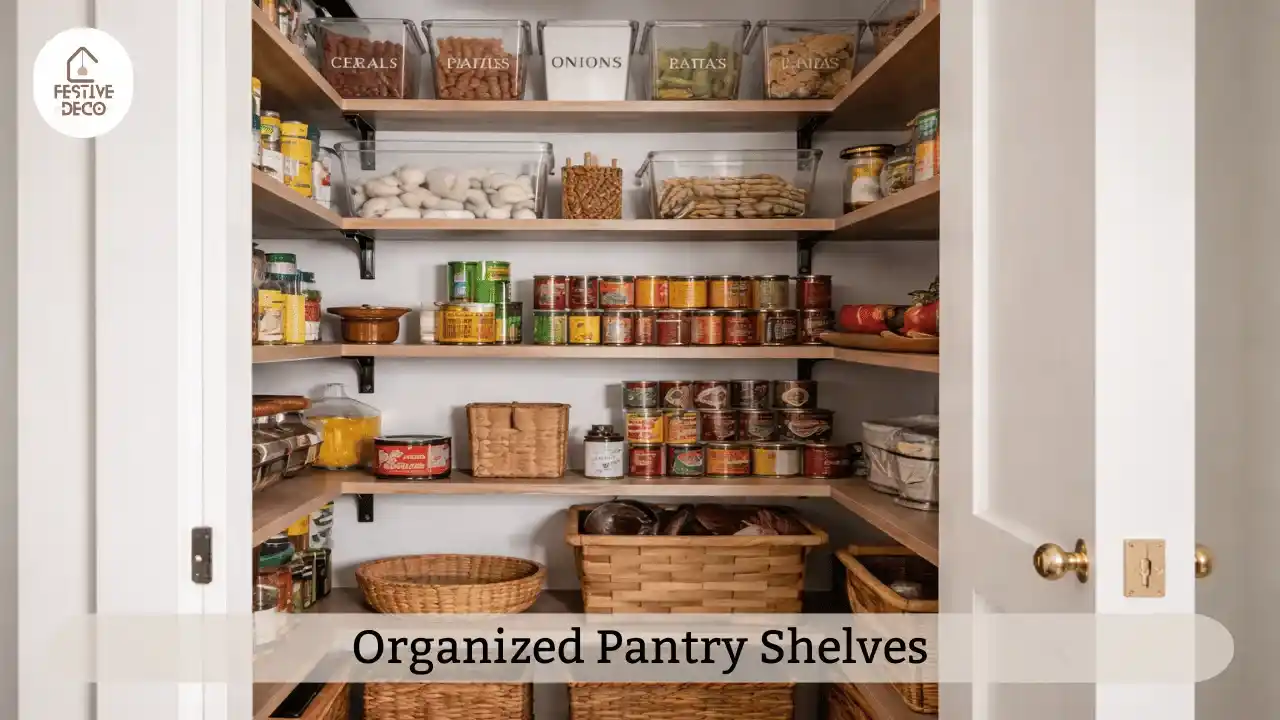
When people start organizing a pantry, the first instinct is often to buy lots of containers. But most of the time, the real change begins with something simpler , sorting and grouping items in a way that makes sense.
A good starting point is separating food into categories. For example, one area for baking ingredients, another for snacks, another for canned goods. Once similar items stay together, the pantry immediately feels less chaotic.
Many homes also benefit from creating a small “everyday section.” These are the things used frequently rice, cooking oil, spices, breakfast items. Keeping them at eye level saves time when preparing meals.
Small adjustments like these quietly turn a cluttered pantry into a space that feels manageable.
Start With a Simple Pantry Declutter
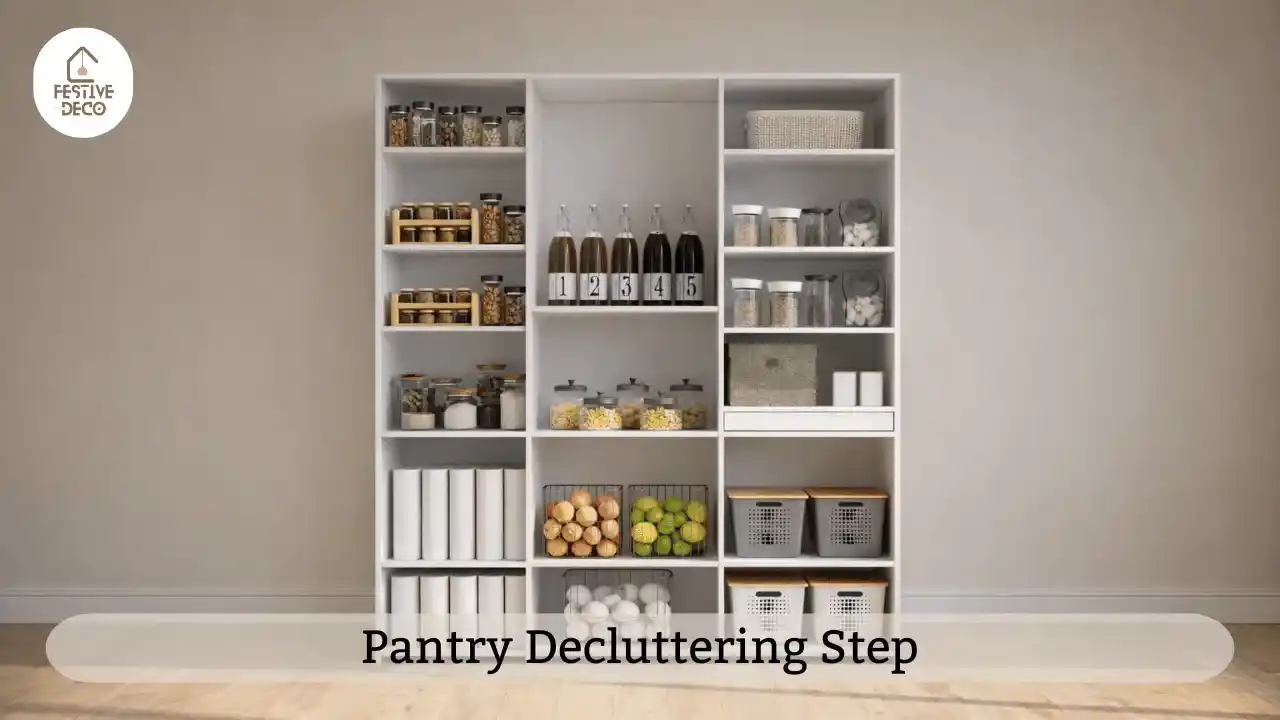
Before trying any organizing systems, it helps to take a little time to clear things out. Pantries often collect items that were bought once and never used again. Old snacks, forgotten cans, half-empty packets they slowly fill shelves without anyone noticing.
Removing unused or expired food is often the quickest way to create extra space.
While sorting, it can help to place items into rough groups such as:
• Baking ingredients
• Canned foods
• Grains and pasta
• Snacks
• Breakfast items
• Cooking sauces and condiments
This early step often reveals how much space is actually available. It also makes it easier to see which pantry storage ideas might work best.
Sometimes the pantry already has enough space it just needed a bit of order.
Using Clear Containers for Pantry Storage
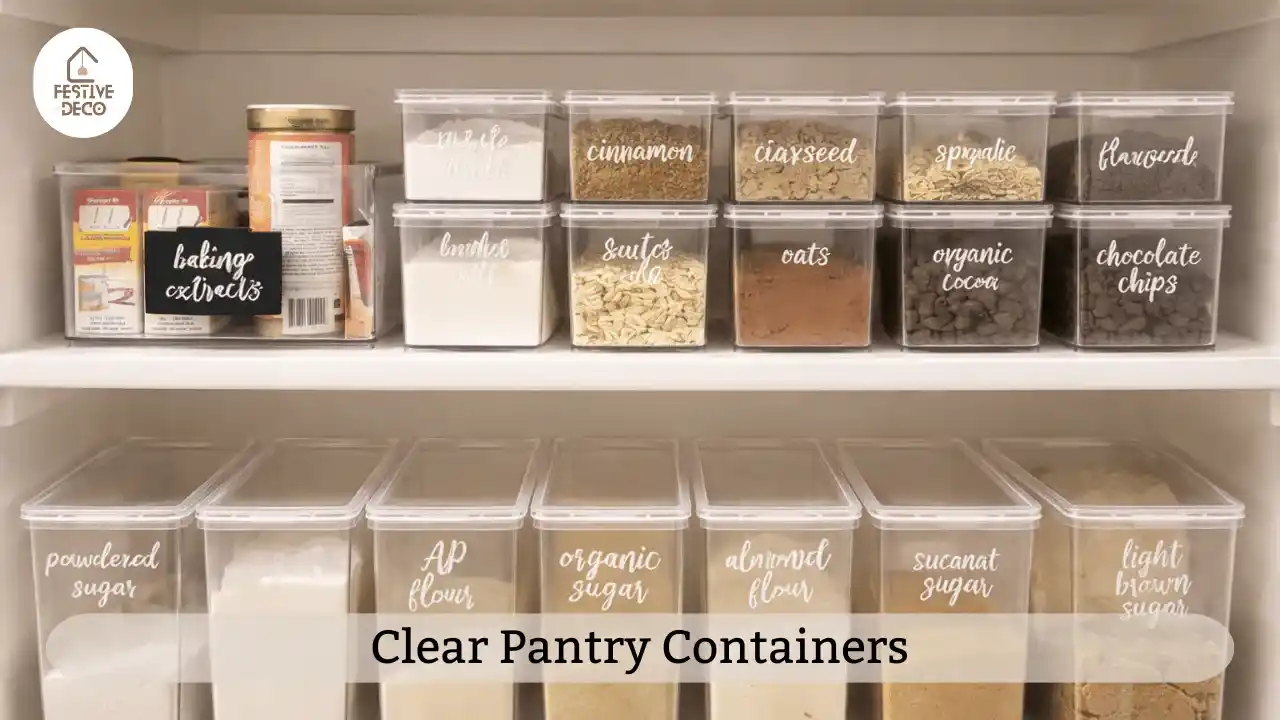
Clear containers are one of the most common pantry storage solutions, and for good reason. They make it easy to see what’s inside without opening everything.
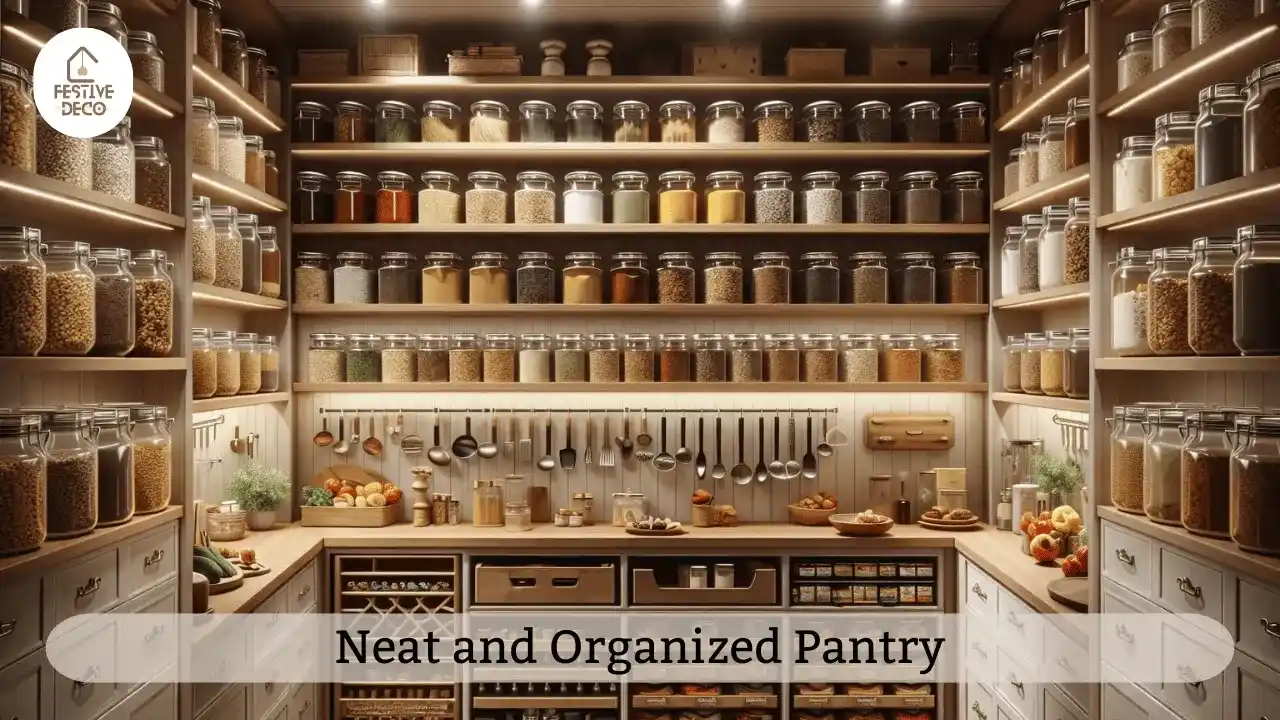
Staples like flour, rice, sugar, oats, or cereal often work well in containers. When these ingredients are stored in clear jars or boxes, the pantry starts to look calmer and more organized.
Another benefit is that containers help prevent half-open bags from spilling or getting lost in the back of shelves.
Still, containers don’t need to replace everything. Many packaged foods can stay in their original packaging. The goal isn’t to transfer every single item but to simplify the shelves where possible.
A pantry that mixes containers and packaged foods can still look neat as long as similar items stay together.
Shelf Organization That Makes Things Easy to Find
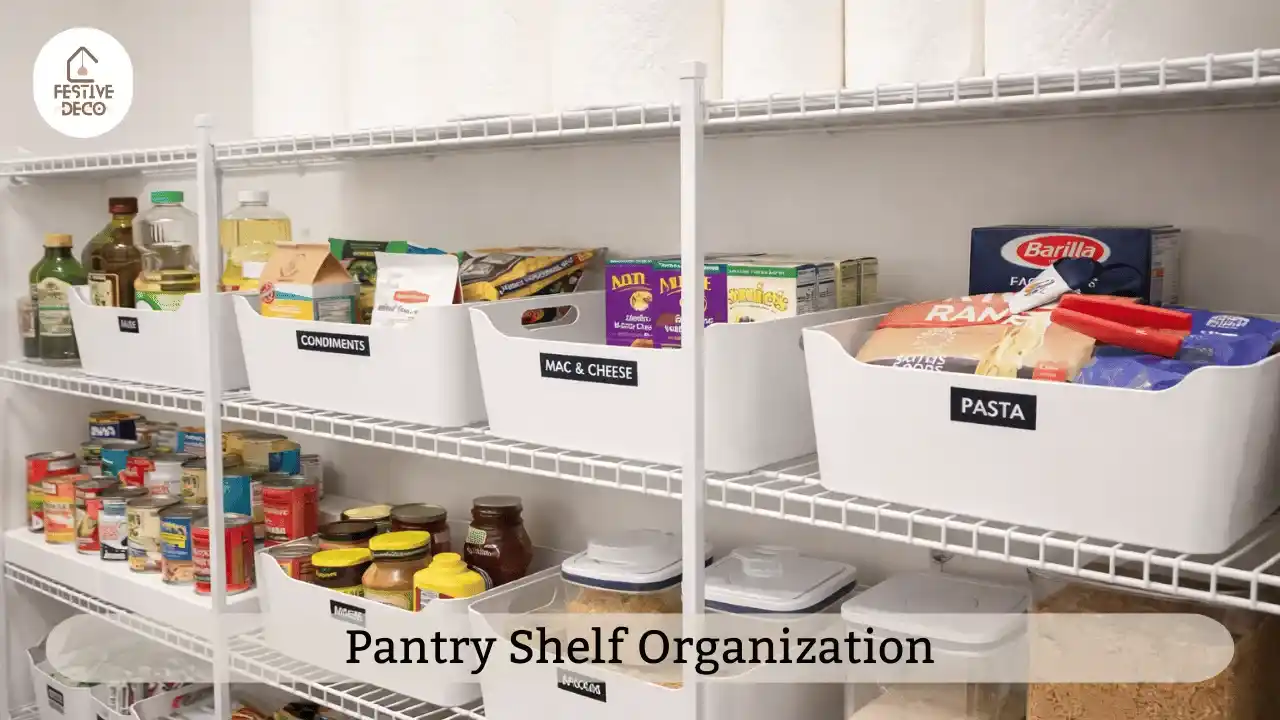
Pantry shelves can quickly become crowded if everything is placed at the same level. Small items disappear behind larger ones, and suddenly things start getting forgotten.
A simple way to improve shelf organization is by creating layers or sections on each shelf.
For example, canned goods can be grouped together on one shelf while baking ingredients sit on another. Snacks might go into baskets so they stay contained instead of spreading across the shelf.
Another helpful idea is keeping taller items toward the back and smaller items toward the front. This makes it easier to see everything at a glance.
When shelves are arranged thoughtfully, even a small pantry can hold quite a lot without looking cluttered.
Pantry Organization Ideas for Small Pantries
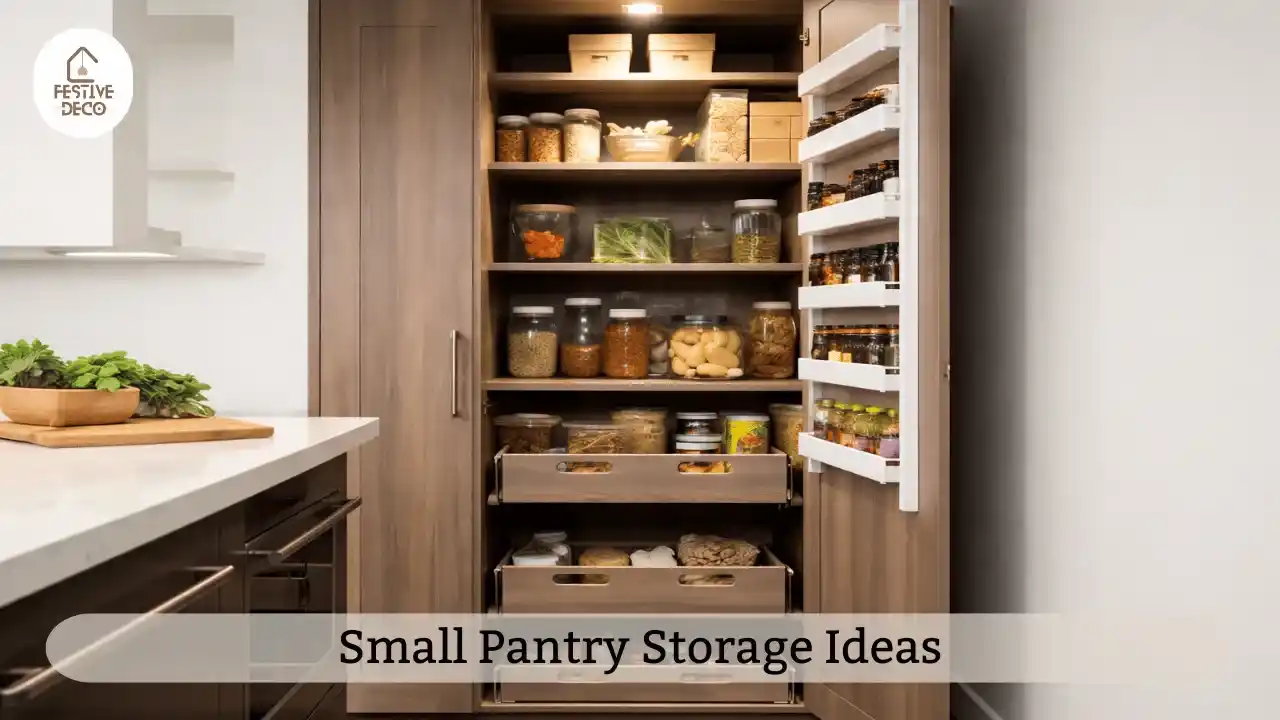
Small pantries need a slightly different approach. Since shelf space is limited, every inch matters.
One helpful trick is using vertical space. Stackable containers or shelf risers can double the usable area on a single shelf. Suddenly there’s room for two layers of food instead of one.
Door storage can also be useful in smaller pantries. Narrow racks or small baskets attached to the inside of the door can hold spices, sauces, or snack bars.
Another useful habit is storing similar items in baskets. For example, a snack basket or a breakfast basket. Instead of searching through the entire shelf, you simply pull out one basket.
These small adjustments help compact pantries stay organized without feeling overcrowded.
Pantry Baskets and Bins for Better Organization
Baskets and bins can quietly transform pantry shelves. Instead of individual items spreading across the shelf, everything stays grouped inside one container.
A snack basket is often the most popular example. Kids and adults alike can easily grab something without digging through the entire pantry.
Other useful basket categories might include:
• Baking supplies
• Pasta and grains
• Instant meals or noodles
• Breakfast foods
• Tea and coffee supplies
Using baskets also makes cleaning easier. When shelves need wiping, the entire basket can be lifted out quickly.
The pantry ends up feeling less cluttered because the shelves show only a few organized containers instead of many scattered items.
Rotating Pantry Items to Reduce Food Waste
ne small habit that improves pantry organization over time is rotating food items. New groceries should ideally go behind older ones, especially canned goods and packaged items.
This simple system helps ensure that older food gets used first.
Many people find it helpful to do a quick pantry check every week before grocery shopping. It only takes a minute to notice what’s running low and what might already be stocked.
This small routine prevents unnecessary duplicates and keeps the pantry from filling up with forgotten items.
Creating a Pantry That Feels Easy to Maintain
The most successful pantry organization systems are the ones that remain simple. Complicated arrangements rarely last long in busy kitchens.
A pantry that works well usually follows a few quiet rules:
Items stay grouped by category.
Frequently used foods remain easy to reach.
Shelves aren’t packed too tightly.
Containers or baskets hold smaller items.
Once these habits settle in, the pantry begins to stay organized almost automatically.
It’s not about achieving a picture-perfect pantry. It’s about creating a space that supports everyday cooking and grocery routines.
As a final point
Finding practical pantry organization ideas can make a surprising difference in how a kitchen functions. When food items are easy to see and reach, cooking becomes simpler and grocery shopping becomes more efficient.
Often, the best changes come from small adjustments grouping similar foods, using baskets, organizing shelves thoughtfully, and making use of vertical space. These simple strategies help keep the pantry tidy without requiring constant effort.
Over time, a well-organized pantry becomes one of the most helpful parts of the kitchen. Instead of feeling crowded or chaotic, it turns into a calm, reliable place where everything has a clear and easy-to-find spot.
Frequently Asked Questions
1. What is the easiest way to organize a pantry?
Start by grouping similar items together. Keeping snacks, canned goods, and baking ingredients in separate sections helps everything stay easier to find.
2. Do I need containers to organize my pantry?
Not necessarily. Containers can help with items like flour or cereal, but many foods can stay in their original packaging as long as they’re grouped neatly.
3. How do I keep my pantry organized long term?
Regularly checking the pantry before grocery shopping and returning items to their proper category helps maintain organization.
4. What works best for small pantry storage?
Using vertical space, baskets, and shelf risers can help maximize storage in compact pantries.